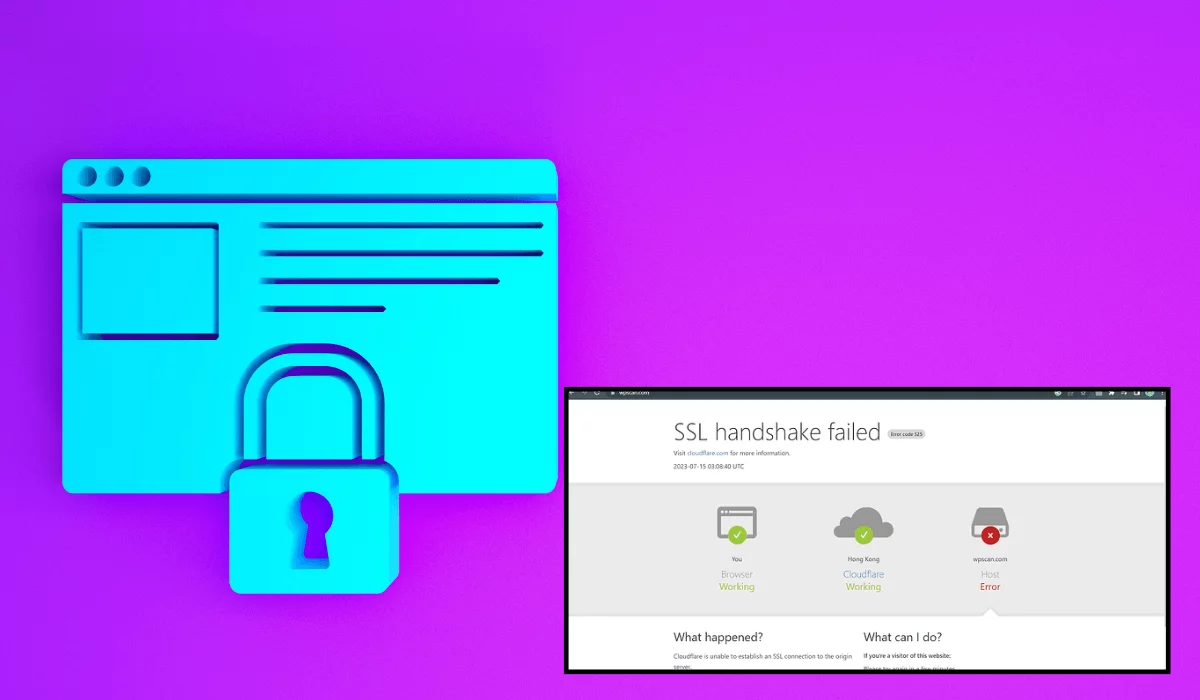
In today’s digital landscape, ensuring secure connections on websites through SSL certificates is paramount. However, even with proper installation, SSL handshake errors like error code Cloudflare 525 can disrupt user access.
This comprehensive guide explores the SSL handshake process, common causes of error 525, and detailed steps to diagnose and resolve these issues. Know how to “fix the SSL handshake failed error code 525”.
The TLS/SSL handshake is a critical process in establishing a secure connection between a server and a client (typically a web browser). Understanding its intricacies helps in troubleshooting handshake errors effectively.
Error code 525 indicates a specific type of SSL handshake failure commonly seen between domains using Cloudflare and origin web servers. Understanding its causes helps in diagnosing and resolving the issue promptly:
So, how to fix the SSL handshake failed error code 525? Addressing SSL handshake errors requires a systematic approach involving both server-side configurations and client-side checks. Here’s a detailed breakdown of steps to diagnose and fix error code 525:
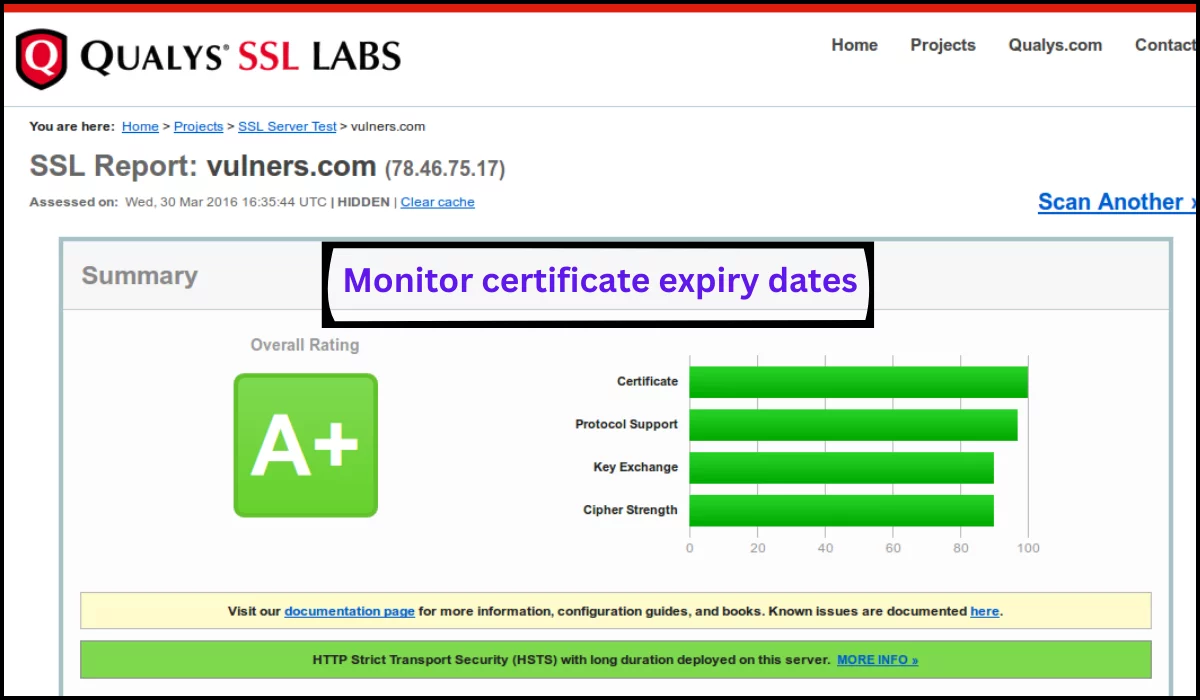
2. Check SNI Configuration:

3 Confirm Cipher Suite Compatibility:
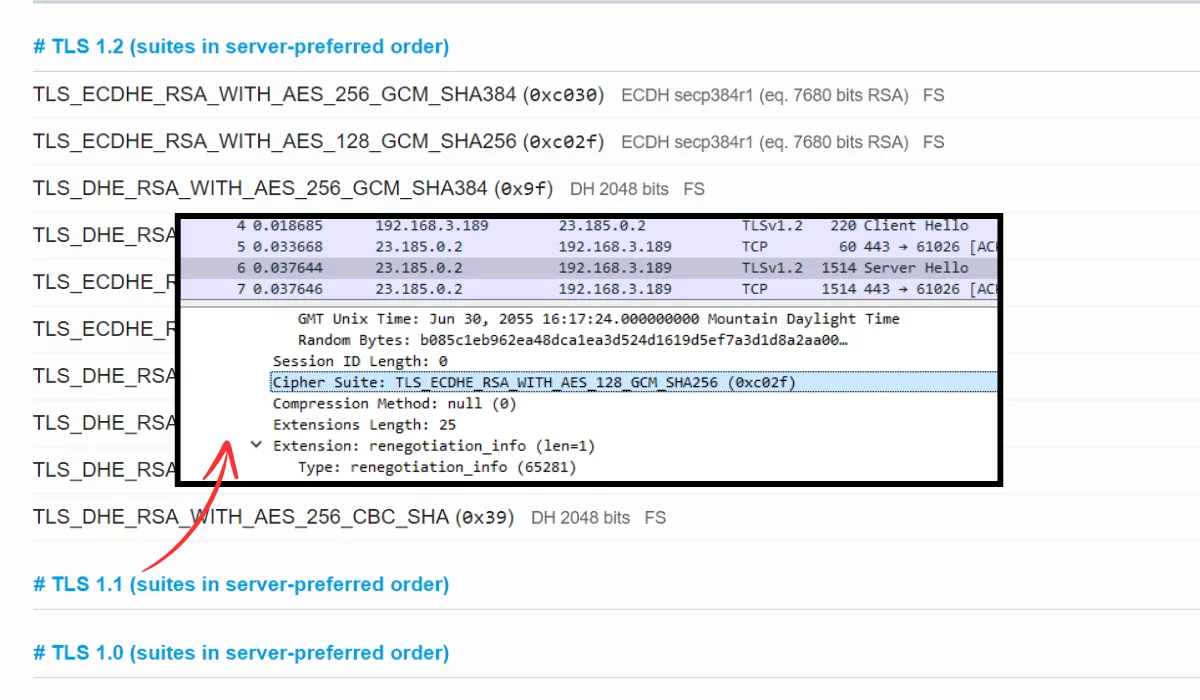
4 Update SSL/TLS Protocol Support:

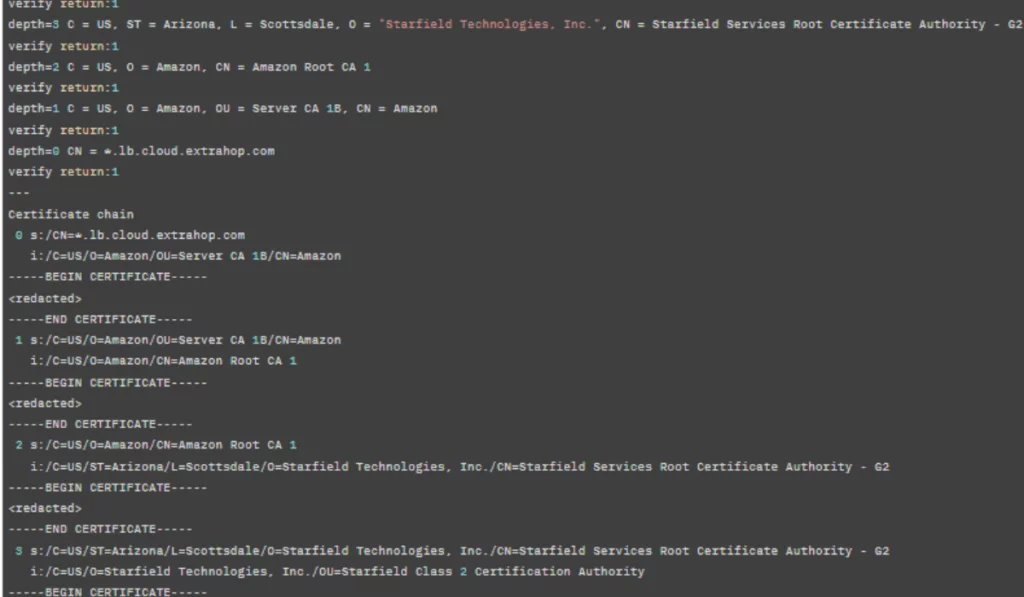
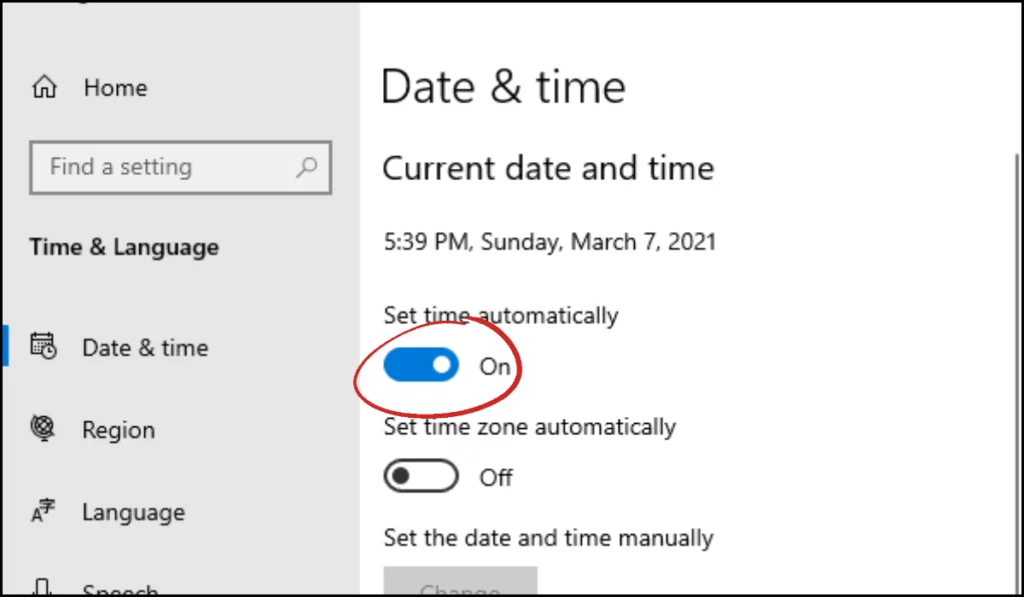
2 Update Browser Software:

The 525 status code error, known as the “SSL Handshake Failed” error, can have significant implications for SEO:
1. User Experience (UX)
When users encounter a 525 error, they are unable to access the requested content. This results in a poor user experience, which can increase bounce rates.
2. Search Engine Algorithms
Search engines like Google factor user experience into their ranking algorithms. A high bounce rate due to the 525 error can negatively impact search engine rankings.
3. Site Accessibility
Search engine bots crawl and index web pages over HTTPS. If there is an SSL handshake issue, they may fail to access the site. Implementing robust security measures, such as a Fortinet FortiGate firewall, can help mitigate such issues by ensuring a more secure connection. This can lead to reduced indexing or complete loss of visibility in search engine results pages (SERPs).
4. Trust and Securit
Modern browsers often warn users about SSL certificate issues. Persistent 525 errors may erode user trust in the site’s security. Trust signals are critical for SEO as they influence user behaviour and search engine rankings.
While the 525 error itself does not directly affect site speed, underlying SSL configuration issues can impact performance. Slow loading times due to these issues can further degrade user experience and SEO rankings.
6. Potential Penalties
Consistently serving 525 errors can suggest technical deficiencies or poor site maintenance to search engines. This perception may lead to penalties such as lower rankings, as search engines prioritize sites that offer secure and reliable browsing experiences.
7. Temporary vs. Persistent Errors
Occasional 525 errors may not heavily impact SEO if promptly resolved. However, persistent unaddressed errors can lead to more severe consequences for search engine rankings.
8. Monitoring and Reporting
SEO tools and search engine consoles, like Google Search Console, often report on 525 errors. This allows webmasters to quickly identify and rectify issues, safeguarding SEO performance. Experiencing an SSL handshake error often indicates broader issues with your site’s security. To further enhance your site’s protection, check out our guide on fixing the ‘Your Connection is Not Private’ error.
Resolving SSL handshake failed error code 525 involves a blend of technical knowledge and systematic troubleshooting. By understanding the SSL handshake process and identifying potential causes of error, website owners can effectively mitigate issues that compromise secure connections. Now you know, how to fix the ssl handshake failed error code 525.
Regular maintenance of SSL certificates, configuration of server settings, and keeping client-side software updated are essential practices for ensuring uninterrupted HTTPS connections and protecting sensitive data online.





 Lifetime VPS Europe
 Lifetime VPS Asia
 Lifetime WooCommerce Hosting
 Lifetime Hosting
 France Lifetime Dedicated Servers
 Germany Lifetime dedicated servers
 Lifetime Game Dedicated Servers
 Chicago, US
 Tokyo, Japan
 Singapore
 Hong Kong
 Seoul, South Korea
 Amsterdem, Netherlands
 London, UK
 Stockholm, Sweden
 Oslo, Norway
 Vienna, Austria
 Zurich, Switzerland
 Sydney, Australia
 Wordpress Hosting
 VPS Hosting
 DDOS Protection
 Submit Ticket
 Full Management
 Guides
 Videos and Podcasts
 Discover Creative Ideas
 MetaAgentOS High-Ticket Support System
 Voxfor Mega Menu
 Voxfor Advanced Price Management For WooCommerce
 Voxfor Secure Live Chat and AI Support
 Voxfor Multilanguage
 Voxfor AI Content Summary


