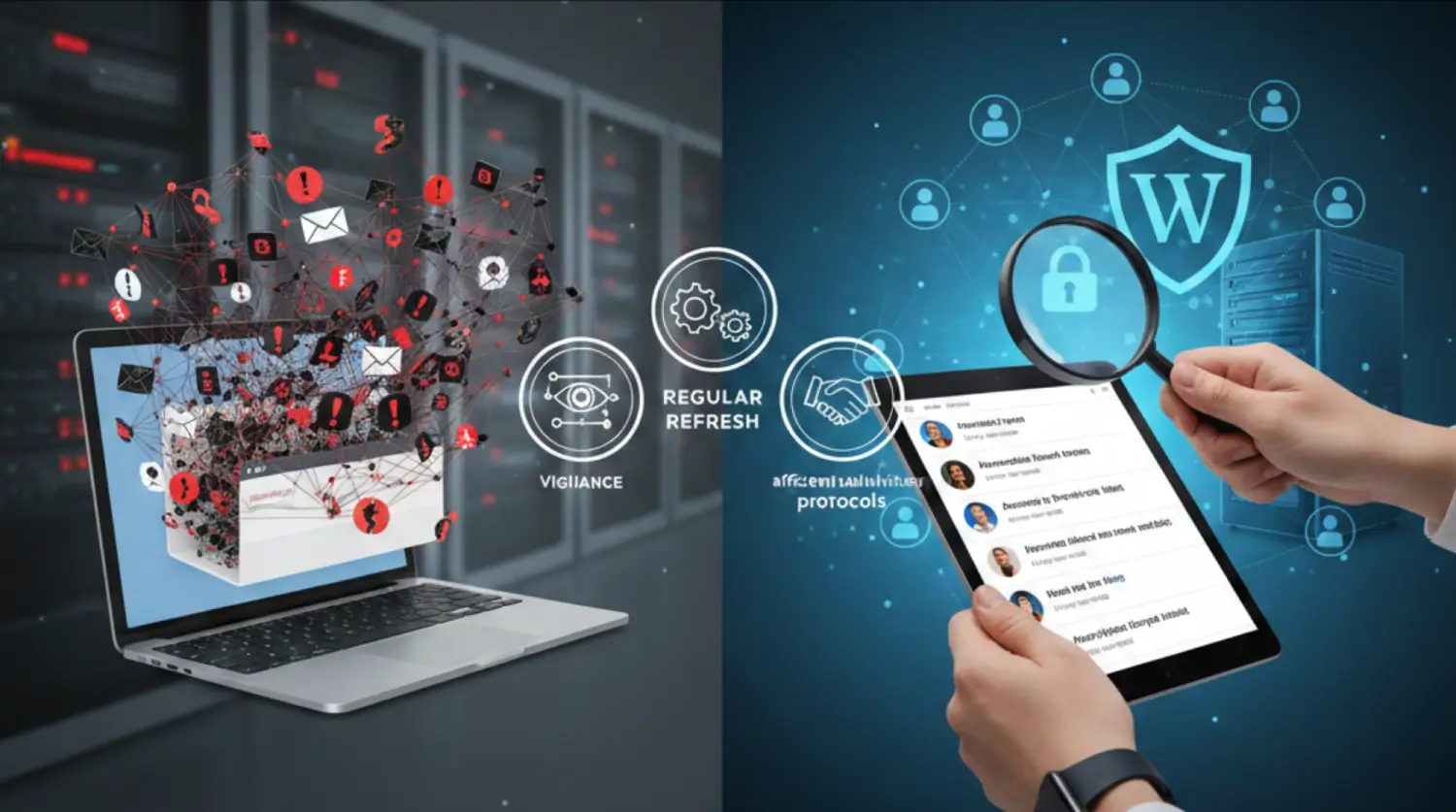
The development of the WordPress content management system, which now serves to support between 43 percent and 44 percent of the infrastructure of the global internet, has led to the need to create highly advanced defensive architectures to deal with the torrent of automated and manual spam. ...

The digitization of the digital ecosystem in 2026 has impacted the security of websites, moving it from a marginal technical issue to the core organization of stability and trust of consumers. With the world economy continuously shifting to web-based technology, malicious activities have been more sophisticated and ...

Introduction
According to software best practices, logging serves as the fundamental backbone of application development since it enables developers to identify events and address problems for health monitoring purposes. In the context of WordPress plugins, logging becomes indispensable for debugging API failures, database errors, and user actions. In ...

Running your custom login page with WordPress improves user experience and develops a branded website interface. You can replace the wp-login.php default form to generate a login page that matches your site design and functionality. This tutorial demonstrates the steps for building a custom login page and ...

Security is a cornerstone of WordPress development. Whether you're building a theme, plugin, or custom application, properly sanitizing and escaping data is critical to protecting your site from vulnerabilities like Cross-Site Scripting (XSS) attacks. WordPress security functions help developers handle data safely, including esc_html(), esc_url(), wp_kses(), and ...

Introduction
In today's digital landscape, managing a WordPress website is more challenging than ever due to the rampant rise of spam submissions, automated bot attacks, and malicious activities. Regarding preventing spam and unwanted bot interactions, reCAPTCHA stands out as an invaluable tool. Developed by Google, reCAPTCHA helps determine ...

Cybersecurity is a growing concern in the modern digital landscape. Due to its widespread adoption, WordPress websites are frequent targets for attackers. Protecting these sites requires layered security measures, and one of the most powerful tools available is a Web Application Firewall (WAF).
This guide explores WAF, its ...





 Lifetime VPS Europe
 Lifetime VPS Asia
 Lifetime WooCommerce Hosting
 Lifetime Hosting
 France Lifetime Dedicated Servers
 Germany Lifetime dedicated servers
 Lifetime Game Dedicated Servers
 Chicago, US
 Tokyo, Japan
 Singapore
 Hong Kong
 Seoul, South Korea
 Amsterdem, Netherlands
 London, UK
 Stockholm, Sweden
 Oslo, Norway
 Vienna, Austria
 Zurich, Switzerland
 Sydney, Australia
 Wordpress Hosting
 VPS Hosting
 DDOS Protection
 Submit Ticket
 Full Management
 Guides
 Videos and Podcasts
 Discover Creative Ideas
 MetaAgentOS High-Ticket Support System
 Voxfor Mega Menu
 Voxfor Advanced Price Management For WooCommerce
 Voxfor Secure Live Chat and AI Support
 Voxfor Multilanguage
 Voxfor AI Content Summary


